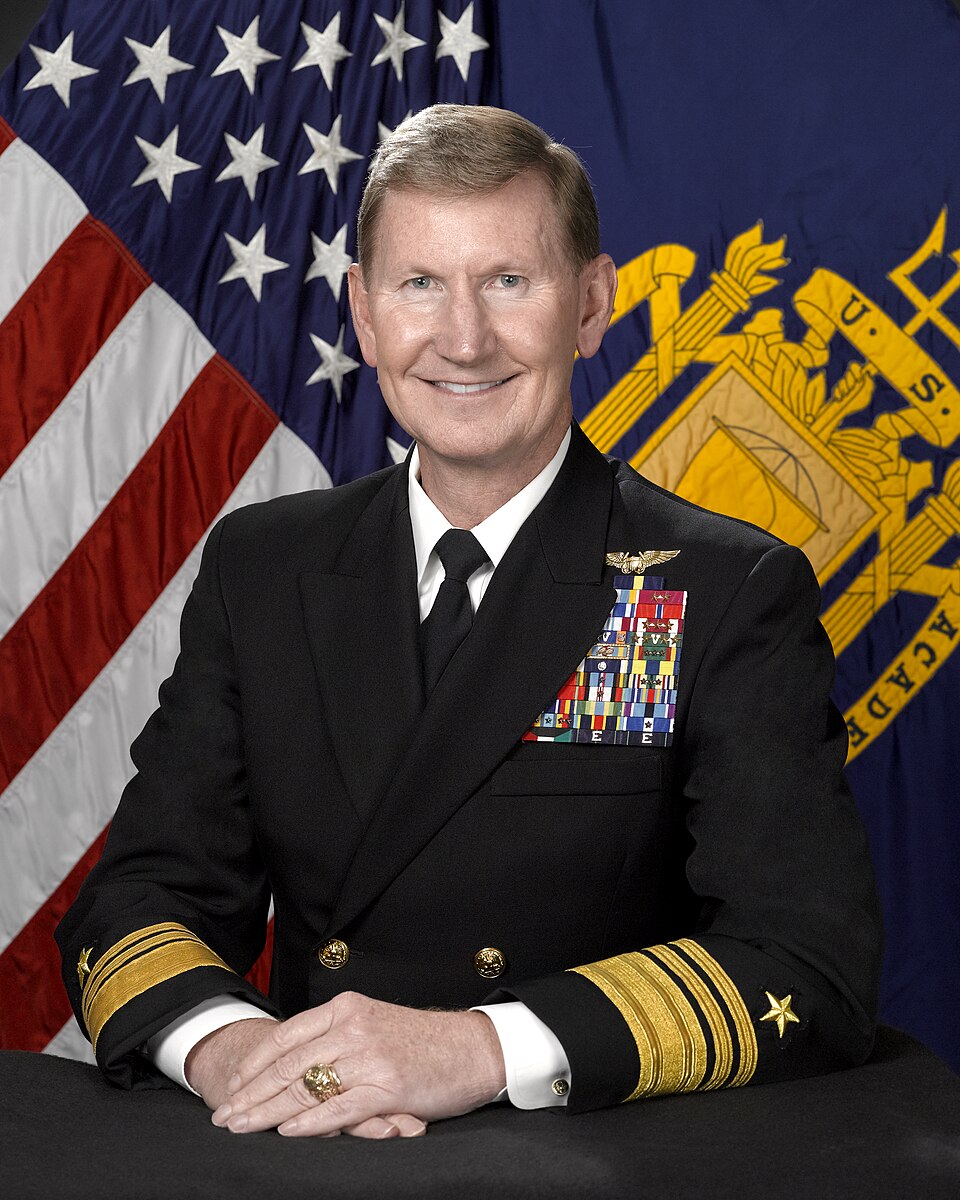
Ohio State President Ted Carter Resigns Amid Inappropriate Relationship: A Closer Look at His Brief Tenure
In a swift and unexpected turn of events, Walter "Ted" Carter Jr. has resigned from his post as the 17th president of The Ohio State University, mere months after officially beginning his term. The resignation, announced this past weekend and accepted by the Board of Trustees on Monday, stems from Carter's disclosure of an "inappropriate relationship with someone seeking public resources to support her personal business." This abrupt departure marks an incredibly short Ted Carter's brief OSU presidency, bringing an unforeseen end to what was anticipated to be a transformative leadership period for one of the nation's largest and most prestigious universities.
Carter, 66, assumed the presidency on January 1, 2024, following a distinguished career spanning military service and higher education administration. His arrival at Ohio State was met with optimism, as he was tasked with steering the university's six campuses, its 65,000-strong student body, the Ohio State Wexner Medical Center, and its prominent athletics programs. However, the ethical lapse has cut short his ambitious plans, prompting questions about leadership accountability, university governance, and the ripple effects on institutional momentum.
A Presidency Cut Short: Hopes and Initiatives During Ted Carter's Brief Tenure
When Ted Carter officially took the helm at Ohio State in January 2024, he stepped into a role with immense responsibility and a significant mandate. His annual base salary of $1.1 million reflected the university's confidence in his ability to lead. During his short time, Carter had already begun to articulate a clear vision, emphasizing strategic growth areas for the institution. He championed the expansion of research initiatives, aiming to solidify Ohio State's position as a national leader in innovation and discovery. Strengthening partnerships with industry was another key focus, intended to bridge academic excellence with real-world applications and economic development.
Perhaps his most visible initiative was the introduction of "Education for Citizenship 2035," a comprehensive long-term strategic framework designed to guide the university's growth and direction over the next decade. This plan aimed to shape the future of higher education by fostering a new generation of informed and engaged citizens, equipped to tackle complex global challenges. Despite the brevity of his Ted Carter's brief OSU presidency, the initial rollout of this framework showcased Carter's forward-thinking approach and his commitment to the university's broader societal impact. Trustees, in their acceptance of his resignation, acknowledged his contributions in helping to expand this plan, noting the university's rise in national rankings and increased research expenditures during his nascent leadership.
The sudden halt to these initiatives, however, raises inevitable concerns. Strategic frameworks like Education for Citizenship 2035 require consistent leadership and long-term commitment to see through. The search for a new president will undoubtedly bring a period of introspection and potential shifts in priority, even as the university attempts to maintain the trajectory set by Carter's initial vision.
The Disclosure and Resignation: Ethical Lapses in Public Service
The catalyst for President Carter's departure was his voluntary disclosure to the Ohio State Board of Trustees regarding an "inappropriate relationship." As he articulated in his resignation statement, "I disclosed to the board of trustees that I made a mistake in allowing inappropriate access to Ohio State leadership." The individual involved was reportedly seeking public resources to support her personal business, creating a clear conflict of interest and an undeniable breach of the ethical standards expected of a university president.
In his full statement, Carter expressed regret, saying, "I'm sorry I'm not able to remain your president longer." He reiterated his belief in the progress made and the strength of the university, wishing it "ongoing success." While acknowledging his contributions, the Board of Trustees accepted his resignation, signaling the serious nature of the disclosure. For a public institution like Ohio State, which operates with taxpayer money and public trust, maintaining unimpeachable ethical conduct from its leadership is paramount. The incident underscores the critical importance of transparency and the careful navigation of personal and professional boundaries, especially when public funds and institutional reputation are at stake.
This situation also brings into focus the rigorous vetting processes for high-level university positions. While personal conduct is often difficult to predict, the swift action taken by both Carter and the Board highlights a commitment to institutional integrity, albeit in unfortunate circumstances. The incident serves as a stark reminder of the immense scrutiny public officials face and the non-negotiable standards of integrity required in leadership roles that involve public trust and resources.
A Distinguished Career Before OSU: Ted Carter's Tenure in Higher Education and Military Leadership
Ted Carter's tenure at Ohio State may have been brief, but it stood in stark contrast to his extensive and impactful career that spanned decades in both the U.S. Navy and higher education administration. Before his arrival in Columbus, Carter had already built a formidable reputation as a seasoned leader, known for his strategic vision and dedication to institutional growth.
His journey began in the U.S. Navy, where he rose through the ranks, eventually achieving the title of Vice Admiral. This distinguished military career culminated in his appointment as the 62nd Superintendent of the United States Naval Academy, a role he held from 2014 to 2019. Prior to that, he served as president of the U.S. Naval War College in 2013, marking his initial foray into higher education administration. These roles not only honed his leadership skills but also instilled a deep understanding of organizational management, strategic planning, and cultivating future leaders.
Following his impactful time at the Naval Academy, Carter was named president of the University of Nebraska System in 2020. This was a critical chapter in Ted Carter's tenure in higher education. During his four years there, he oversaw four campuses and a substantial community of nearly 70,000 students, faculty, and staff. His leadership at Nebraska was characterized by several key achievements:
- "Nebraska Promise": A groundbreaking financial aid program guaranteeing full tuition coverage for low- and middle-income students, significantly enhancing access to higher education.
- Tuition Freeze: He successfully implemented a two-year tuition freeze, providing much-needed financial relief to students and families.
- Research and Workforce Development: Carter placed a strong emphasis on expanding research capabilities and aligning academic programs with workforce needs, fostering economic growth within the state.
These initiatives showcased his ability to drive meaningful change, foster accessibility, and strategically position institutions for future success. His track record at Nebraska, coupled with his military background, made him a compelling choice for Ohio State, promising a leader who could balance tradition with innovation. For a more detailed look into his remarkable journey, explore Ted Carter's varied leadership career.
Implications for Ohio State and University Governance
The swift resignation of a university president, especially one with such a brief Ted Carter's brief OSU presidency, inevitably creates a period of uncertainty and poses several challenges for an institution of Ohio State's magnitude. One immediate concern is the potential impact on the "Education for Citizenship 2035" strategic plan. While the framework is in place, new leadership will need to embrace and drive its implementation, which requires time, understanding, and personal commitment.
Frequent leadership changes can also disrupt momentum in fundraising, partnerships, and faculty recruitment. Ohio State, having experienced a previous presidential transition with Kristina Johnson stepping down in May 2023, now faces the task of launching another national search. Attracting top-tier talent for such a demanding role, especially after a period of instability, requires careful strategy and reassurance about the institution's stability and governance. The Board of Trustees will play a crucial role in ensuring a smooth transition and maintaining public confidence.
This incident also underscores the broader importance of ethical leadership and robust governance in public universities. Institutions of higher education are not just academic centers but also significant economic engines and custodians of public trust. The rapid and decisive action taken by the Board, in conjunction with Carter's voluntary disclosure, sends a clear message about the non-negotiable nature of ethical conduct at the highest levels. It reinforces the principle that personal actions of leaders have direct consequences for the entire institution, and accountability is paramount.
For university boards, the challenge lies in balancing proactive oversight with allowing presidents the autonomy to lead effectively. This situation highlights the need for clear ethical guidelines, comprehensive disclosure policies, and a culture where leaders feel empowered to address mistakes transparently. Ultimately, the stability and reputation of any major university hinge on the integrity of its leadership and the strength of its governance structure to navigate such complex situations.
Ted Carter's departure marks a sudden end to what many hoped would be a long and impactful leadership journey at The Ohio State University. While his prior career, notably his impactful Ted Carter's varied leadership career at the University of Nebraska System, showcased a leader capable of significant achievement, his incredibly brief Ted Carter's brief OSU presidency will be remembered for its abrupt conclusion due to an ethical misstep. Ohio State now looks to its future, navigating this unexpected transition while reaffirming its commitment to academic excellence, ethical leadership, and the continued pursuit of its strategic goals.